Choosing the right materials for your kitchen cabinets is crucial. It impacts both aesthetics and durability. As expert interior designer Jane Smith states, “Selecting the right wood can elevate your kitchen's overall appeal.” How to choose the best wood for kitchen cabinets may feel daunting, but it doesn’t have to be.
Several factors come into play when making this decision. The wood type affects not only the look but also the lifespan of your cabinets. Hardwoods like oak and maple offer durability, while softwoods like pine are lighter but may not last as long. It's essential to consider the wood’s grain, color, and finish. Each choice tells a different story and sets a unique tone for your kitchen.
Remember, even the best choices require maintenance and care. A high-quality cabinet may still suffer from wear over time. Be mindful of your kitchen's lighting and usage patterns. This information is vital for effective decision-making. Take your time to explore all options. The right choice will ultimately enhance your kitchen’s functionality and style.
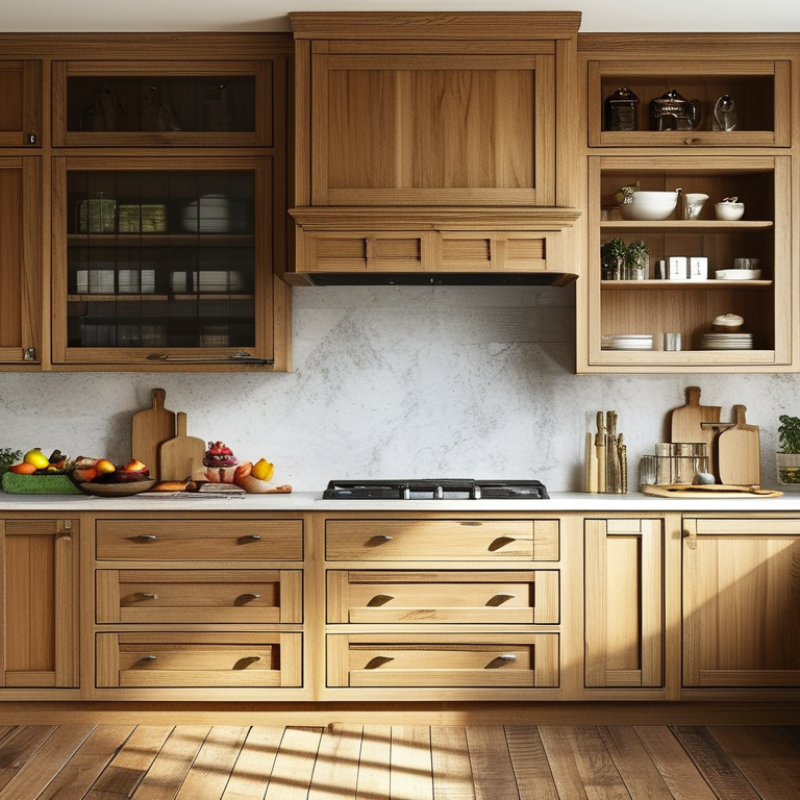
Understanding Different Types of Wood for Kitchen Cabinets
When selecting wood for kitchen cabinets, understanding the types is crucial. Hardwoods like oak, maple, and cherry are popular for their durability and aesthetic appeal. Oak is known for its strong grain, while maple offers a smoother finish. Cherry wood darkens with age, adding character over time.
Softwoods, such as pine and fir, are lighter and often more affordable. However, they may dent or scratch more easily than hardwoods. Consider how you use your kitchen. Do you have kids? If so, a more durable hardwood might be a better fit. Each type of wood has unique qualities, impacting both style and longevity.
Do not overlook the importance of proper finishing. A quality sealant can enhance wood's natural beauty and protect against moisture. However, not all finishes are equal. Some may reveal imperfections or change color over time. Always test samples in your kitchen's lighting. This ensures you choose a wood that complements your space beautifully.
Top 10 Tips for Choosing the Best Wood for Kitchen Cabinets
This chart compares the durability and cost of different types of wood commonly used for kitchen cabinets. Each wood type has its own benefits and drawbacks, which should be considered when making a choice.
Evaluating Durability and Maintenance Needs of Cabinet Woods
When selecting wood for kitchen cabinets, durability is key. Hardwoods like oak and maple resist wear and tear. They withstand daily use while maintaining their beauty. Softwoods, such as pine, are less durable. They may dent and scratch easily. Consider your kitchen’s activity level when choosing wood types.
Maintenance is another crucial factor. Some woods require regular sealing and finishes to protect against moisture. Others might need only occasional cleaning. Think about your lifestyle. If you have kids or cook often, durable options are wise. They resist stains and spills better. This choice can save time and effort in upkeep.
Reflecting on aesthetic qualities is also essential. While durability is critical, visual appeal matters. Grain patterns and colors enhance kitchen design. However, some beautiful options may not hold up well. Balancing style with practicality can be challenging. It's vital to choose a wood that fits both needs.
The Impact of Wood Grain and Finish on Kitchen Aesthetics
The grain and finish of wood play a significant role in kitchen aesthetics. A well-chosen wood species can elevate the design, creating warmth and visual interest. According to a study by Kitchen & Bath Business, 60% of homeowners prioritize cabinetry appearance when renovating. This highlights how crucial it is to select the right wood grain and finish.
When choosing wood, consider both the grain pattern and its texture. Oak, for instance, features prominent grains that add character, while maple offers a tighter grain for a sleek, modern look. Pairing the grain with an appropriate finish enhances the overall appeal. Matte finishes can create a more understated elegance, whereas glossy ones may reflect light dramatically, drawing attention to the cabinet's features.
Tips for choosing wood: Look at samples under different lighting conditions. This helps visualize how they will look in your kitchen. Additionally, think about durability. Hardwoods, like cherry or hickory, resist wear better than softer woods. However, softer woods may allow for unique aging and character over time. Each choice carries its considerations, and sometimes what works best involves a little trial and error.
Considering Budget and Cost Factors in Wood Selection
Choosing the right wood for kitchen cabinets can significantly affect your budget. Various wood types vary greatly in cost and durability. For instance, while oak is popular and sturdy, it can be pricier than softer woods like pine. Always evaluate how much you're willing to spend. An ideal choice is to balance quality with your budget constraints.
Consider the long-term value of the wood. Cheaper options may save money upfront but can lead to higher repair costs later. Oak and cherry might be expensive initially, but their resilience pays off. On the other hand, avoid materials that quickly wear down. Look for alternatives like engineered wood, which can offer a good blend of affordability and durability.
It's crucial to reflect on your lifestyle. Are you often in the kitchen? Do you have children? These factors influence the wood's longevity. A lower-cost wood might not withstand frequent use. That said, cheaper woods can also be beautified with paints or finishes, which may require future maintenance. Think about sustainability, as some woods are more environmentally friendly than others.
Sustainability and Eco-Friendliness of Wood Options for Cabinets
When choosing wood for kitchen cabinets, sustainability and eco-friendliness are crucial factors. Many consumers prefer materials with minimal environmental impact. According to the Forest Stewardship Council (FSC), certified wood ensures responsible sourcing. Some hardwoods, like oak and maple, are considered more sustainable than others due to their renewability and durability. Using certain species reduces the deforestation rate associated with cabinet manufacturing.
Tip: Look for reclaimed wood. It not only gives your kitchen character but also helps reduce waste. Reclaimed wood can have a unique history, making it a conversation starter. However, it’s essential to ensure such wood is free from pollutants.
Local wood species often have a lower carbon footprint. They require less transportation, which helps to minimize emissions. The U.S. Department of Agriculture reports that trees harvested sustainably can significantly contribute to carbon sequestration. This is a vital consideration for eco-conscious consumers.
Tip: Research the origin of your wood. Knowing where your wood comes from can influence its environmental impact. Make choices that reflect both style and sustainability. While it’s easy to find beautiful options, not all wood is equally friendly to our planet.
FAQS
: Hardwoods like oak and maple resist wear and maintain beauty. Softwoods like pine may dent and scratch easily.
Consider your kitchen activity level. If you cook often or have kids, choose durable woods that resist stains and spills.
Some woods require regular sealing and finishes for moisture protection. Others just need occasional cleaning.
The grain and finish significantly affect kitchen design. They can create warmth and visual interest in the space.
Prominent grains in oak add character, while maple offers a tight grain for a sleek look. Both have unique appeals.
Yes, check samples under different lighting conditions. This helps visualize their appearance in your kitchen environment.
Yes, softer woods may age beautifully. However, they are generally less durable than hardwoods.
Matte finishes offer understated elegance, while glossy finishes reflect light and highlight cabinet features.
Yes, finding a wood that looks great and is durable can be difficult. It often requires reflection and trial and error.
Conclusion
When considering how to choose the best wood for kitchen cabinets, it is essential to understand the different types of wood available and their unique characteristics. Factors such as durability, maintenance needs, and wood grain can significantly impact both functionality and aesthetics. Hardwoods such as oak and maple offer strength and elegance, while softer woods may require more care but can be more budget-friendly.
Furthermore, evaluating the budget and cost factors is crucial, as this will guide your decision-making process without compromising quality. Additionally, choosing sustainable and eco-friendly wood options not only benefits the environment but also enhances the overall appeal of your kitchen. By considering these elements, you can make an informed choice that perfectly matches your style and practical needs.

 Arico Home