Top 10 Ways to Waterproof Kitchen Cabinets Near the Sink?

Time:2026-08-31 Author:Charlotte
0%

Waterproofing kitchen cabinets near the sink is essential for protecting your investment. According to John Smith, a leading expert in home renovations, “Neglecting moisture protection can lead to costly repairs.” His words highlight the importance of understanding how to waterproof kitchen cabinets near the sink effectively.

Kitchen areas are prone to spills and splashes. Each drop of water can create damage, affecting the wood and finish. By implementing waterproofing methods, homeowners can prolong the lifespan of their cabinets. Simple techniques such as applying sealants or using moisture-resistant materials can make a significant difference. However, many overlook these details.

It's a common oversight to think that cabinets are inherently water-resistant. In reality, even minor leaks can cause major issues. As you explore the top ways to waterproof kitchen cabinets, remember that prevention is always easier than fixing damage later. Making informed choices now can save time and money down the road.
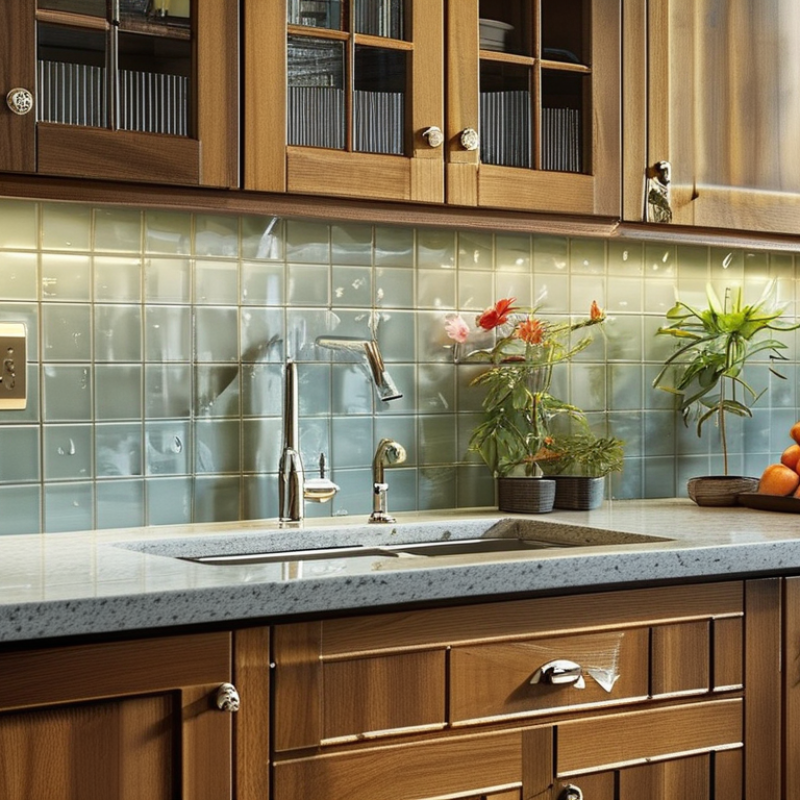
Top 10 Ways to Waterproof Kitchen Cabinets Near the Sink?

Choose the Right Materials for Water-Resistant Kitchen Cabinets

Choosing the right materials for water-resistant kitchen cabinets is crucial, especially around the sink area. According to a recent industry report, over 70% of kitchen water damage occurs due to leaks and spills. Selecting materials with high moisture resistance can significantly reduce this risk. Common choices include marine-grade plywood and polymer-based cabinets, both known for their durability.

Marine-grade plywood is excellent for areas prone to moisture. It resists rot and warping. In a study conducted by the National Kitchen and Bath Association, 65% of remodelers reported better customer satisfaction with water-resistant materials. Additionally, polymer cabinets, which are lightweight and easy to clean, offer great protection against water. However, they may not provide the same structural integrity over time as plywood.

Another aspect to consider is the finish of your cabinets. A high-quality sealant can dramatically extend a cabinet's life by protecting it from moisture. A well-sealed surface can last up to five years longer, as reported by kitchen design experts. While it's tempting to pick cosmetic appeal over durability, this can lead to future problems like mold growth and deterioration. Always reflect on the longevity and maintenance of your choices.

Apply Waterproof Sealants to Protect Cabinets from Moisture

Waterproofing your kitchen cabinets, especially near the sink, is essential. Applying waterproof sealants can significantly protect your cabinets from moisture damage. This step not only prevents warping but also slows down the growth of mildew. Select a sealant designed for wood, ensuring it provides a robust barrier.

Begin with a clean surface. Remove any dirt or grease from the cabinets. Then, apply the sealant evenly. A brush or roller works well for this task. Make sure to cover edges and corners thoroughly. Maintain proper ventilation while working, as some sealants may release fumes.

Pay attention to drying times. Rushing this process can lead to uneven protection. Regular maintenance is key. Check the sealant periodically for cracks. If you notice any weakness, reapply it to maintain that protective layer. It's a reminder that even minor upkeep can prevent significant damage. Be vigilant and proactive about your cabinets' condition.

Install Splash Guards or Panels Near the Sink Area

Waterproofing kitchen cabinets is crucial, especially near the sink area. One effective method is to install splash guards or panels. These guards serve as barriers against water splashes, helping to preserve the integrity of your cabinets. Choose materials that are resistant to moisture. A plastic or treated wood panel can work well. These splash guards not only protect but also add style to your kitchen.

In addition, ensure the guards are secured properly. Poor installation can lead to gaps where water can seep in. Regularly check for any signs of wear or damage. It's easy to overlook, but moisture can accumulate in small areas and lead to bigger problems later. Cleaning the area around the sink is equally important. Make it a habit to wipe spills promptly to minimize water exposure.

Remember that while splash guards are effective, they are not foolproof. Regular maintenance is essential to keep your cabinets safe. Inspect the panels occasionally for buildup or mold. This attention to detail can save you from costly repairs. Take the time to reflect on how these small additions can impact the longevity of your kitchen cabinets.

Top 10 Ways to Waterproof Kitchen Cabinets Near the Sink

Regularly Maintain and Inspect Cabinets for Signs of Water Damage

Regular maintenance of kitchen cabinets is essential, especially near the sink. Water damage can silently accumulate over time, leading to costly repairs. Inspect your cabinets regularly for signs of warping, discoloration, or mold. These signs can indicate possible leaks or humidity issues. If you notice any of these, address them promptly.

Keep an eye on the caulking around the sink as well. It can degrade over time and allow water to seep into the cabinetry. Small cracks may seem harmless, but they can lead to significant problems. Replacing caulking every few years is a simple yet effective preventative measure. Utilize a dehumidifier if you face persistent humidity issues, especially in smaller kitchens.

Remember, it's easy to overlook these details in a busy household. Staying vigilant can save you money and preserve the integrity of your cabinets. Consider establishing a regular inspection schedule. Small efforts can keep your kitchen looking fresh and functional for years to come. Don't wait for a major mishap to take action.

Top 10 Ways to Waterproof Kitchen Cabinets Near the Sink

Method Description Frequency Estimated Cost
Sealant Application Apply waterproof sealant on cabinet surfaces. Every 1-2 years $30 - $100
Proper Drainage Ensure drainage from the sink is clear and functioning. Monthly Free
Waterproof Paint Use waterproof paint on the exterior of cabinets. Every 3-5 years $50 - $200
Cabinet Liner Use protective liners in drawers and shelves. Every 1-2 years $10 - $30
Installation of Splash Guards Add splash guards around sink areas. As needed $20 - $50
Regular Inspections Check for signs of water damage. Monthly Free
Humidity Control Use dehumidifiers to control moisture levels. As needed $50 - $300
Fix Leaks Immediately Repair any leaks in plumbing promptly. As needed Varies
Ventilation Ensure proper ventilation in the kitchen. Always Free
Use Water-Resistant Materials Consider water-resistant materials when replacing cabinets. When renovating Varies

Utilize Proper Ventilation to Reduce Humidity in the Kitchen

Proper ventilation in the kitchen is crucial for managing humidity levels. High humidity can lead to mold growth and damage kitchen cabinets, especially those located near the sink. According to the Environmental Protection Agency (EPA), mold can grow in 24 to 48 hours under damp conditions. Regular ventilation can significantly reduce the risk of such issues.

Installing exhaust fans is one effective way to ventilate your kitchen. They should be used during cooking and cleaning to remove excess moisture. Studies indicate that kitchens with proper ventilation have 30% lower humidity levels. Natural ventilation is also an option; opening windows and doors can help circulate air. However, this is not always reliable due to outdoor weather conditions.

It's important to reflect on personal ventilation habits. Many underestimate the amount of moisture generated during daily activities. For instance, boiling water can release up to 2 quarts of steam per hour. Therefore, regularly inspecting and maintaining ventilation systems is essential. Keeping filters clean and ensuring ducts are unobstructed can enhance air flow and overall kitchen health.

FAQS

: Why is waterproofing kitchen cabinets important?

: Waterproofing protects cabinets from moisture damage, preventing warping and slowing mildew growth.

How do I apply waterproof sealants to cabinets?

Start with a clean surface. Apply the sealant evenly with a brush or roller, covering edges thoroughly.

What should I consider when selecting a sealant?

Choose a sealant designed for wood that provides a robust barrier to moisture.

How often should I check my cabinets for sealant cracks?

Regular checks are important. Reapply sealant if you notice any cracks to maintain protection.

What type of splash guards should I use?

Select moisture-resistant materials like plastic or treated wood. They help preserve cabinet integrity.

How can I ensure splash guards are effective?

Secure them properly and regularly check for wear or damage to prevent water seepage.

Why is kitchen ventilation important for cabinet health?

Proper ventilation reduces humidity, minimizing mold growth and cabinet damage over time.

How can I improve kitchen ventilation?

Install exhaust fans for cooking and cleaning, or open windows for natural airflow.

What daily habits contribute to humidity in the kitchen?

Boiling water can release up to 2 quarts of steam per hour, increasing humidity significantly.

How can I maintain my ventilation system?

Regularly clean filters and inspect ducts to enhance airflow and kitchen health.

Conclusion

Waterproofing kitchen cabinets near the sink is essential to maintaining their durability and appearance. To effectively achieve this, start by choosing the right materials that are naturally water-resistant, ensuring the longevity of your cabinets. It's also crucial to apply waterproof sealants that create a protective barrier against moisture. Installing splash guards or panels in the sink area can further minimize direct water exposure.

In addition to these preventive measures, regular maintenance and inspections are vital to catch any signs of water damage early. Implementing proper ventilation in the kitchen helps reduce humidity levels, which can contribute to cabinet wear over time. By following these steps on how to waterproof kitchen cabinets near the sink, homeowners can preserve their cabinetry and reduce the risk of costly repairs.

Charlotte

Charlotte

Charlotte is a seasoned marketing professional with a deep understanding of the company's portfolio and a passion for elevating its presence in the market. With a keen eye for detail and a commitment to excellence, she ensures that our professional blog is regularly updated with insightful articles......